
Should this beautiful animal change the way we think about our dog’s nutrition?
This striking animal shown here in captivity; is a maned wolf (Chrysocyon brachyurus) and it is the largest canid in South America.
His marks resemble those of foxes, but he is not a fox or a wolf. It is the only species of the genus Chrysocyon (which means “golden dog”).
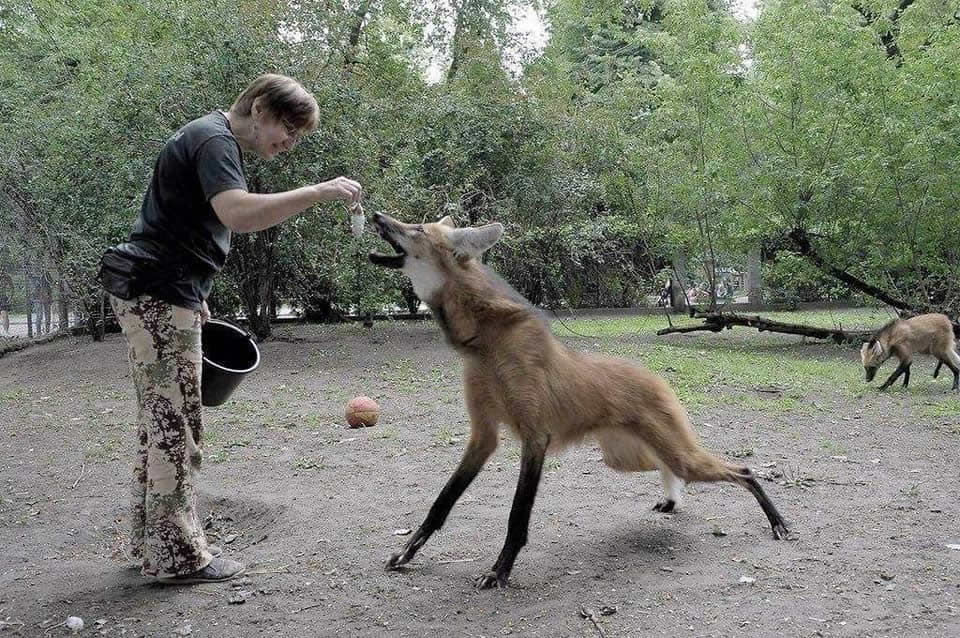
Although the maned wolf displays many fox-like characteristics, it is not closely related to foxes. It lacks the elliptical pupils in its eyes found distinctively in foxes. The maned wolf’s evolutionary relationship to the other members of the canid family makes it a unique and fascinating animal.
Why should a maned wolf hold the key to our dog’s nutrition?
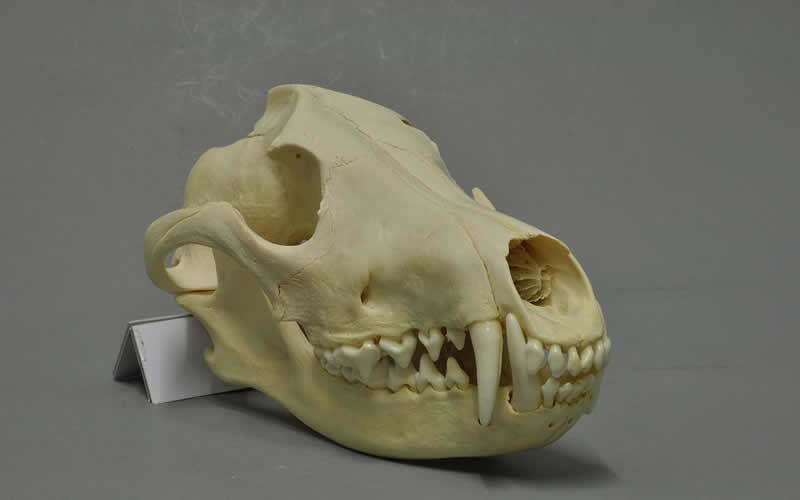
The skull of a maned wolf almost identical to that of our dog’s skull. As it does not kill or eat large prey, its upper carnassials (shearing teeth) are reduced, its upper incisors weak, and its canines are long and slender.
The maned wolf really blows the theory of our pet dogs needing meat in their diet completely out of the water. These beautiful and endangered ‘golden dogs’ (as they are neither fox nor wolf), share far more in common with our own pet dogs than the grey wolf.
They are classed as omnivores and live in the savannah of South America where they feed primarily on wolf apples that belong to the family Solanum – the same family as potatoes and tomatoes. These fruit are also eaten by humans in South America, but the maned wolf plays a very important role in the seed dispersal of these fruits.
Often, maned wolves defaecate on the nests of leafcutter ants. The ants then use the dung to fertilise their fungus gardens, but they discard the seeds contained in the dung onto refuse piles just outside their nests. This process significantly increases the germination rate of the seeds. They live beautifully in harmony with their environment and this delicate balance must be maintained.
They do hunt at night (typically small rodents and rabbits) but more than 50% of their diet is fruit and vegetable matter. Animals are more often consumed in the dry season as their first choice is vegetables!
Their eyes are similar to our dogs, they lack the jaw strength to be strong hunters (like our domestic dogs) and their footprints are very similar to our dog’s prints. They are parasitised by the same ticks and fleas as domestic dogs and they are also prone to catching the same viruses that we vaccinate our pets against. Their gestation period is the same length and when pups are born, they are born blind initially like our pups and the mother will regurgitate food for her young pup and teach it to forage from as young as 3 months old so their diet of vegetable matter begins as early as that.
As they are an endangered specie, they are successfully bred in zoos around the world. If they are incorrectly fed a high meat diet, they develop bladder stones – something seen commonly in our domestic dogs too! Interestingly, they also have very pungent smelling urine which is used to mark their territories and some people liken the smell of their urine to hops or cannabis. The responsible substance very likely is a pyrazine, which also occurs in plants (at the Rotterdam Zoo, this smell once set the police on a hunt for cannabis smokers!)
This beautiful and fascinating ‘golden dog’ surely holds the key to our dog’s nutrition and strengthens our belief that we should be adopting a plant-based diet for our dogs as the kindest and healthiest option possible. If not for our own dog’s health, then surely for the health of the South American savannah so that less land is used up by deforestation for meat agriculture and these endangered species can continue to live in perfect harmony with their environment.


Wonderful David Attenborough
When our future seems so precarious, we finally have hope for our fragile natural world with the very wise and passionate words of Sir David Attenborough

*The Top 10 Zoonoses In Your Home*
There are cases of dry food or treats (especially the raw hide treats and chews) causing transmission of diseases to people
Fireworks tips for our plant-based dogs
None of us want our dogs to be stressed – there is nothing worse than seeing them anxious and unhappy

Evidence Based Medicine
The meat-based fed control group showed 11 deficiencies while the long-term vegan fed category presented only two deficiencies

Race Against Time
As a vet and a mother and a dog lover, I am passionate about feeding dogs a plant-based diet to support our future
Confessions of a vegan vet
David Attenborough makes a stark warning on extinction and I felt it would be too upsetting to watch!
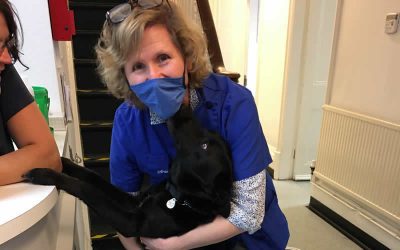
How life has changed for vets since the pandemic
Here is a day in my life to share what it is like to be a vet coping with the changes of how the pandemic has shaped a new way of being a small animal vet

Our Gamechangers Connection
We are so proud to say that our little unit that we hire to hold all the wonderful VEGDOG food and supplement that we import, is owned by none other than the wonderful and very dignified Gary Wilks
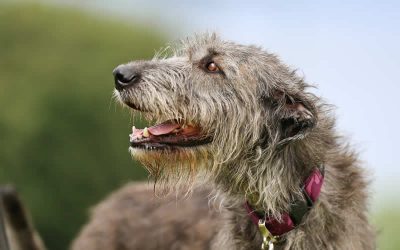
What about homecooking for my giant dog?
We have a simple solution when home-cooking for giant breed dogs
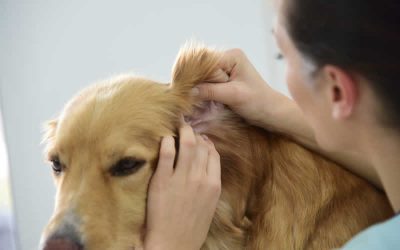
Help my dog has itchy ears!
Itchy, painful ears can affect your dog’s quality of life quite significantly

Dogs CAN digest starches
Calculations have revealed that dogs can digest about 99 % of plant-based starch if provided to them in a suitable form

We just need to stop eating animals
As a small business, we will do all we can to continue to promote the nourishment of our pets with wholesome, clean and nutritious plant-based foods that hold no dangers of causing a second pandemic.